
Lighting plays a crucial role in workplace productivity, influencing mood, focus, and overall well-being. Poor lighting can lead to eye strain, fatigue, and decreased efficiency, while optimized illumination enhances cognitive performance and energy levels. This article explores how lighting affects productivity and provides practical strategies for designing workspaces with ideal illumination.
The human body operates on a circadian rhythm, a 24-hour biological cycle regulated by light exposure. Natural daylight helps maintain alertness by suppressing melatonin (the sleep hormone) and boosting serotonin (a mood and focus enhancer). Studies show that employees working near windows report higher productivity and better sleep quality than those in artificially lit environments.
Light color temperature, measured in Kelvin (K), influences mental states:
Cool White (5000K–6500K): Mimics daylight, promoting alertness and concentration—ideal for analytical tasks.
Neutral White (3500K–4500K): Balanced and comfortable, suitable for general office work.
Warm White (2700K–3000K): Relaxing and cozy, best for break rooms but may reduce focus in workspaces.
Excessive brightness or glare causes eye strain and headaches. The Illuminating Engineering Society (IES) recommends:
300–500 lux for general office work.
750–1000 lux for detailed tasks like drafting or design.
Adjustable lighting and anti-glare fixtures help maintain comfort.
Position workstations near windows but avoid direct sunlight causing glare.
Use sheer curtains or blinds to diffuse harsh light.
Open floor plans allow light to penetrate deeper into the workspace.
A combination of lighting types ensures flexibility:
Ambient Lighting: Overhead fixtures provide general illumination.
Task Lighting: Desk lamps with adjustable brightness for focused work.
Accent Lighting: Indirect lighting (e.g., wall sconces) reduces shadows and eye strain.
Tunable LED Lights: Adjust color temperature throughout the day (cooler in the morning, warmer in the evening).
Motion Sensors & Dimmers: Save energy while ensuring adequate light when needed.
Choose LED or full-spectrum bulbs with minimal flicker to prevent headaches.
Use blue light filters on screens or install warmer lighting for evening work.
A German study found that offices using dynamic lighting (adjusting throughout the day) saw a 15% increase in productivity and reduced fatigue among employees.
Research from Harvard Business Review revealed that workers in sunlit offices had 51% fewer eyestrain issues and reported higher job satisfaction.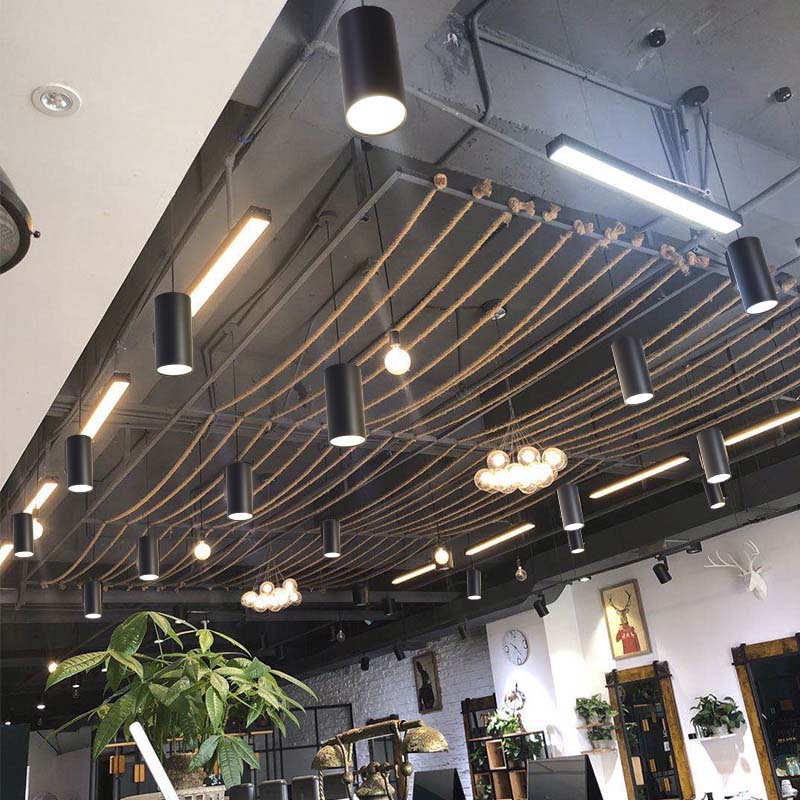
Lighting is a powerful yet often overlooked factor in workplace efficiency. By leveraging natural light, optimizing artificial illumination, and incorporating smart lighting solutions, businesses can create environments that boost productivity, reduce fatigue, and enhance employee well-being. Investing in proper lighting is not just about visibility—it’s about fostering a healthier, more productive workforce.
Conduct a lighting audit to identify problem areas.
Encourage employees to personalize their task lighting.
Experiment with lighting setups to find the most effective configuration.
By prioritizing lighting design, workspaces can transform into hubs of energy, creativity, and peak performance.
