
In the highly competitive retail landscape, every detail matters when it comes to attracting customers and driving sales. One often overlooked yet incredibly powerful tool in a retailer’s arsenal is lighting. The strategic use of lighting can transform a retail space, enhance customer experience, and ultimately boost business performance.
Lighting plays a crucial role in setting the tone of a retail environment. Warm lighting can create a cozy and inviting atmosphere, encouraging customers to linger and explore. This is particularly effective in areas where thoughtful decision-making is encouraged, such as in bookstores or home furnishings. Conversely, cooler tones can convey a sense of professionalism and modernity, making them ideal for sections like electronics. By carefully selecting the right lighting, retailers can craft an environment that aligns with their brand identity and appeals to their target audience.
Lighting has the power to dramatically alter how products are perceived. Bright, well-placed lighting can highlight key features of products, making them appear more appealing and high-quality. For example, directional lighting can be used to focus on specific items, creating contrast and depth that can make products stand out. This technique can guide customers’ eyes to promotions, new arrivals, or high-margin items, directing the flow of traffic and influencing purchasing decisions.
Effective lighting can also guide customers through the store, creating a seamless shopping experience. Retailers can use different lighting designs to create zones within the store, categorizing products and leading consumers through a logical journey in the purchasing process. For instance, ambient lighting can set the overall mood of the space, while accent lighting can draw attention to specific displays or promotions. By strategically placing lighting fixtures, retailers can subtly direct customers to different areas of the store, encouraging exploration and increasing the likelihood of additional purchases.
The psychological impact of lighting on consumers cannot be overstated. Lighting levels and colors can evoke different emotional responses, influencing the mood and comfort level of shoppers. Bright lighting tends to energize and excite shoppers, increasing the likelihood of impulse purchases. On the other hand, softer lighting can create a calm and relaxed atmosphere, encouraging prolonged browsing. Retailers who understand these nuances can create tailored shopping experiences that captivate and persuade, fostering a deeper connection between the consumer and the brand.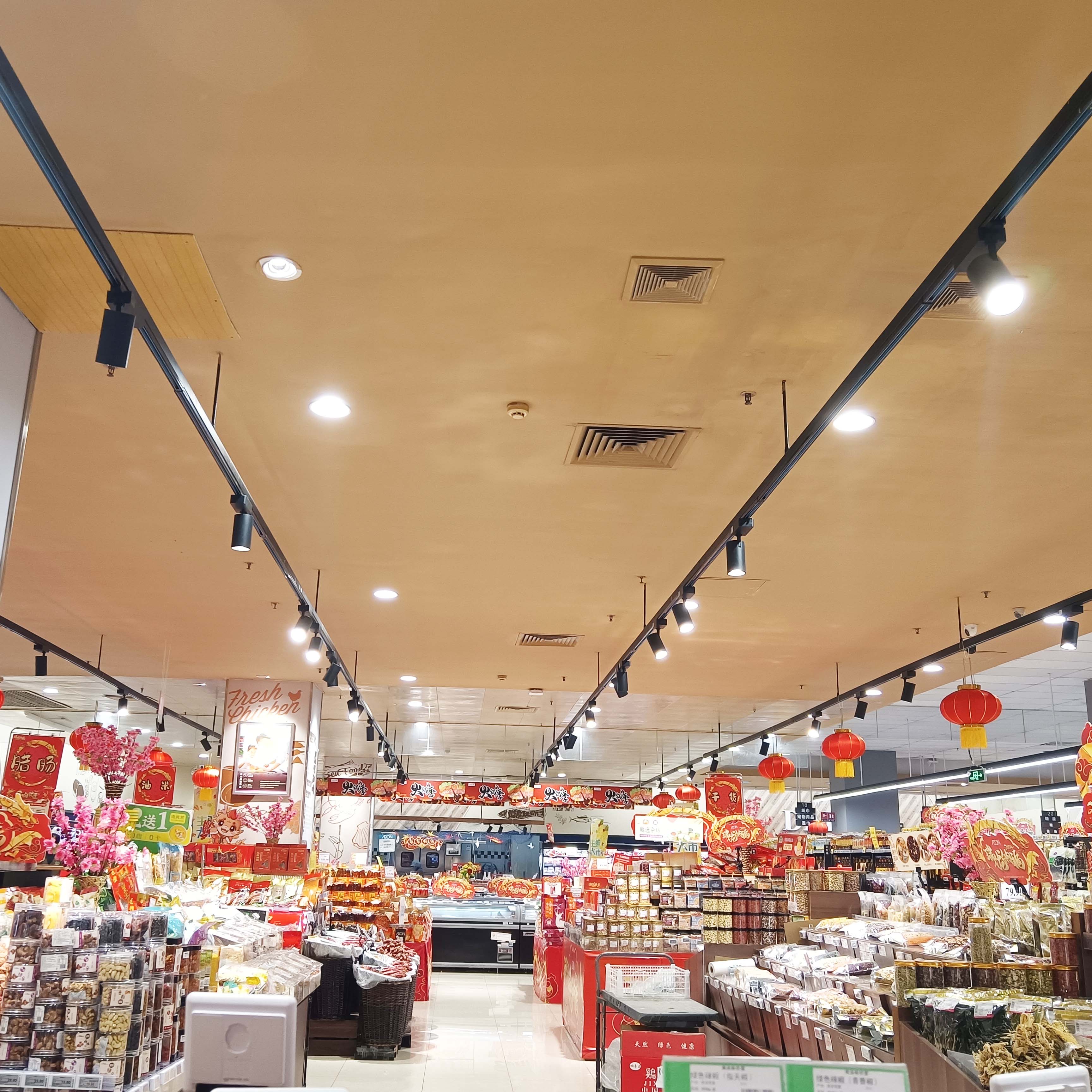
To maximize the impact of lighting in retail spaces, retailers should consider the following tips:
Layer Lighting Types: Combine ambient, task, and accent lighting to create a dynamic and engaging environment. Ambient lighting sets the overall mood, task lighting enhances product interaction, and accent lighting highlights specific items.
Use Color Temperature Strategically: Warm tones like yellows and reds can create a feeling of comfort, while cool tones like blues and whites can convey a sense of professionalism and trustworthiness. Retailers can adjust color temperature to match branding objectives or seasonal themes.
Guide Customer Pathways: Use subtle changes in brightness or color to guide customers through the store, encouraging them to explore new areas or linger longer. This not only enhances the shopping experience but also increases the potential for additional purchases.
Lighting is more than just illumination; it is a powerful tool that can transform retail spaces and drive sales. By creating an inviting atmosphere, enhancing product perception, guiding customer flow, and influencing mood and behavior, retailers can significantly improve the overall shopping experience and boost business performance. As technology continues to evolve, innovative lighting solutions such as smart lighting systems and LED technology offer even more opportunities for retailers to create dynamic and engaging environments. By fully embracing the power of lighting, retailers can illuminate a path to sustained success and customer loyalty.
